

 en
en
 English
 русский
 Español
 عربى
عربى


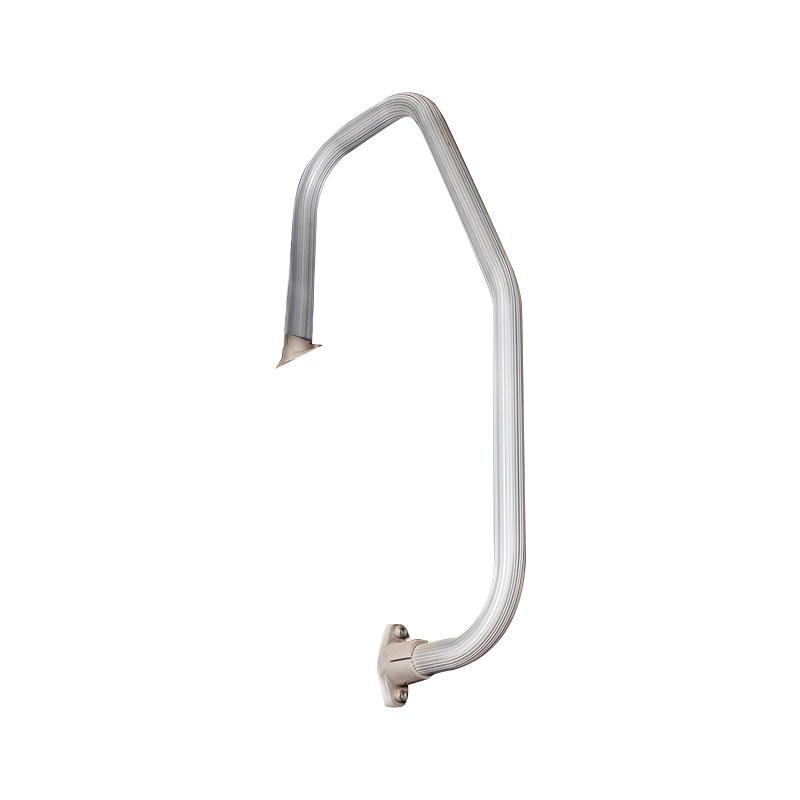


Quick Answer The right fire truck boarding ladder is a fixed, upward-folding, or rotating step assembly mounted at the rear or side of the apparatus that gives firefighters a stable, non-slip surface ...
READ MORE
What Fire Truck Equipment Does a Modern Fire Department Really Need?
2026.08.10
Content
- 1 What Fire Truck Equipment Actually Belongs on a Modern Apparatus
- 2 Why Fire Truck Equipment and Ambulance Equipment Are Built to Different Rules
- 3 Which Fire Truck Equipment Fits Small Volunteer Fire Departments Best
- 4 What Fire Truck Equipment Is Needed for Wildland Firefighting Operations
- 5 How to Choose a Reliable Fire Truck Equipment Manufacturer
01
Choosing the right fire truck equipment comes down to three things: matching gear to your call volume, verifying it meets NFPA and GB fire apparatus standards, and working with a fire truck equipment manufacturer that can support custom builds and long term parts supply. Departments that get these three right spend less on downtime and more time on the road. The sections below break down how to apply that conclusion to real purchasing decisions, from small volunteer stations to wildland units.
What Fire Truck Equipment Actually Belongs on a Modern Apparatus
Fire truck equipment covers everything mounted on or stowed inside a fire apparatus that lets a crew reach a fire scene, deploy safely, and put water or foam on a fire. That includes boarding ladders and ladder handrails for cab access, roller shutters and stowage trays for compartment organization, hose cannons and fire fighting nozzles for water delivery, demolition tools for forcible entry, SCBA equipment for respiratory protection, and cab doors that seal against weather and road debris. A single mid-size pumper can carry more than 40 individual pieces of fire apparatus equipment, and each one has to survive vibration, UV exposure, and repeated hard use for a service life of 10 to 15 years.
The buying mistake most departments make is treating this list as generic hardware. A roller shutter rated for a light utility van will not hold up on a heavy rescue truck that gets opened and closed dozens of times per shift. The right approach is to size every component to the truck class, the climate the department operates in, and the frequency of use, then confirm the fire truck equipment manufacturer can document load ratings and material specs for each part.
Typical Fire Truck Equipment Load by Apparatus Class
15-20
Stowage components on a light rescue unit
40+
Mounted and stowed items on a standard pumper
10-15
Years of expected service life for aluminum stowage systems
GB/NFPA
Standards commonly referenced for fire apparatus parts
Why Fire Truck Equipment and Ambulance Equipment Are Built to Different Rules
Fire truck equipment and ambulance equipment often get lumped together as emergency vehicle gear, but the engineering behind them diverges quickly once you look at load, exposure, and duty cycle. An ambulance interior is climate controlled and the equipment inside is optimized for patient care in a sealed cabin. A fire apparatus, by contrast, carries external compartments that face direct weather, road spray, heat from the engine bay, and heavier point loads from tools, hose, and ladders. That is why fire apparatus equipment such as roller shutters, drawer systems, and boarding ladders is built from thicker gauge aluminum or stainless steel with corrosion resistant coatings, while comparable ambulance fittings can use lighter materials.
The other difference is access speed. A fire crew needs compartment doors and drawer systems that open in under two seconds under gloved hands, sometimes while the truck is still moving into position. Ambulance storage is optimized for organization and sterility rather than speed of access under load. When departments ask which category their new purchase falls into, the honest answer is that fire truck equipment is judged first on structural durability and second on convenience, while ambulance fittings flip that order.
Comparison
| Comparison Point | Fire Truck Equipment | Ambulance Equipment |
| Primary Environment | Exterior compartments, exposed to weather | Sealed, climate controlled cabin |
| Typical Material | Heavy gauge aluminum, stainless steel | Lightweight aluminum, composite panels |
| Design Priority | Load capacity and fast access under gear | Organization and sterile storage |
| Common Duty Cycle | High vibration, repeated forced opening | Lower mechanical stress, frequent light use |
Field note. If a supplier offers the exact same roller shutter or drawer system for both an ambulance and a heavy rescue truck without changing gauge thickness or hinge rating, ask for the load test data before ordering. Fire apparatus parts should be specified per truck class, not sold as one universal part.
Product Series Available for Fire Apparatus Builds
The catalog below shows a sample of fire truck equipment currently produced for pumpers, rescue trucks, and specialty vehicles, spanning boarding access, stowage trays, roller shutters, and hose storage.
Featured Fire Apparatus Equipment Series
A cross section of fire truck equipment built for boarding access, compartment stowage, and exterior weatherproofing, engineered for daily station use and multi year service life.
Which Fire Truck Equipment Fits Small Volunteer Fire Departments Best
Volunteer departments usually run one or two trucks for a decade or longer, so every dollar spent on fire truck equipment has to earn its keep across a wide range of calls, from brush fires to structure fires to vehicle extrication. For these departments, the priority list looks different from a busy metro house. Instead of maximizing speed of access for high call volume, small departments should prioritize equipment that is simple to maintain with a limited part time crew, that does not require specialized tools to service, and that a local shop can repair without shipping parts overseas.
A practical starting list for a volunteer pumper includes a fixed or foldable boarding ladder for cab access, manual roller shutters rather than electric ones since manual systems have fewer failure points, a compact drawer or tray system for hand tools, and basic fire fighting nozzles rated for the pump capacity already on the truck. Skipping electric roller shutters on a low budget rig is not a compromise, it is often the more reliable choice, since manual shutters keep working even if the truck electrical system develops a fault years down the line.
Example
A 20 member volunteer department running a single engine typically outfits it with 3 to 5 stowage trays, one boarding ladder, and manual roller shutters on the main compartments, keeping the parts list short enough that the department can stock its own spares.
What Fire Truck Equipment Is Needed for Wildland Firefighting Operations
Wildland apparatus operate in conditions that punish fire truck equipment harder than almost any other duty type: extended off road driving, high heat, dust intrusion, and long shifts far from a maintenance base. Custom fire truck equipment for wildland units generally shifts toward lighter weight aluminum stowage systems to keep total vehicle weight down for rough terrain, sealed roller shutters and cab doors that resist dust and ash intrusion, reinforced boarding ladders that can take repeated use on uneven ground, and demolition tools sized for brush clearing rather than structural forcible entry.
Because wildland trucks often run smaller crews, equipment layout matters as much as the equipment itself. Rotating trays and pull out horizontal trays let a two person crew reach hose, nozzles, and hand tools without needing a third set of hands to hold a compartment door open in wind. Departments specifying a new wildland unit should ask their fire truck equipment manufacturer whether stowage systems have been tested for dust sealing and vibration resistance specific to off road duty, not just standard highway vibration testing.
How to Choose a Reliable Fire Truck Equipment Manufacturer
Selecting a fire truck equipment manufacturer is where most of the long term risk in a purchase actually sits, because apparatus stay in service for over a decade and departments need a parts supply chain that will still exist in year eight. A dependable fire rescue equipment manufacturer should be able to show a documented quality management certification, real production facilities rather than a trading office, and a track record of supplying both standard catalog parts and custom fire truck equipment built to a department's own truck body specifications.
Tianchang Jinlv Fire Equipment Co., Ltd. is one example of how this looks in practice: a manufacturer founded in 2010 that has spent 15 years focused specifically on fire protection accessories, holds GB or T19001 to 2016 quality certification, and produces both catalog fire apparatus equipment and OEM or ODM custom builds from its own factory. That combination, a controlled production process from raw material to finished part plus in house R and D, is what allows a fire apparatus parts supplier to support a department not just at the point of the original build but for replacement parts years later when the original truck manufacturer may have moved on to a new model line.
When evaluating any fire truck equipment manufacturer, ask three direct questions. First, can they provide test reports or patent documentation for the specific component being ordered. Second, do they support custom dimensions for non-standard compartment sizes, since retrofit projects rarely match factory default measurements. Third, what is their typical lead time for repeat parts orders, since a supplier that only handles one time large builds may not prioritize a single replacement roller shutter five years later.
Checklist Before Signing With a Fire Apparatus Parts Supplier
1 Verify quality certification and factory ownership
2 Confirm custom sizing and OEM or ODM support
3 Request material spec sheets for each part class
4 Ask about long term replacement part lead times
The bottom line for any department, whether running a single volunteer engine or a full metro fleet, is that fire truck equipment decisions compound over time. Choosing durable, correctly specified fire apparatus equipment up front, understanding how it differs from equipment built for other vehicle types, and partnering with a manufacturer that stands behind custom fire truck equipment for the life of the apparatus will save far more in avoided downtime than any single line item purchase ever costs.
News
-
-
Fire truck ladder racks are roof-mounted storage and deployment systems that hold ground ladders securely in transit and let firefighters lower them to the side or rear of the apparatus in seconds. ...
READ MORE -
A firefighter opens a compartment door after a long working fire. Inside, the thermal imaging camera has slid under a halligan bar, the hose line is twisted into a knot, and a 20 kg SCBA cylinder is ...
READ MORE -
Every firefighter has opened a compartment door after a rough response only to find nozzles, webbing, and wrenches piled on top of each other. In gloves and low light, with the pump running, that is ...
READ MORE -
Two pumpers of the same model can feel like two different trucks on the same call. On the first, a firefighter reaches into a compartment, releases one latch with a gloved hand, and pulls a tray far ...
READ MORE -
Two minutes into a working fire, a crew stands in front of a locked steel security door with a crowbar that is too short to pull with both hands. Nothing about the tool is broken. It was simply speci...
READ MORE
Hey! Interested in staying in the loop? Sign up for our updates.
WE WON'T SPAM YOU, PINKY PROMISE.

Tianchang Jinlv Fire Equipment Co., Ltd.
Copyright © Tianchang Jinlv Fire Equipment Co., Ltd. All rights reserved. Custom Fire Truck Equipment Supplier Fire Apparatus Parts Factory
